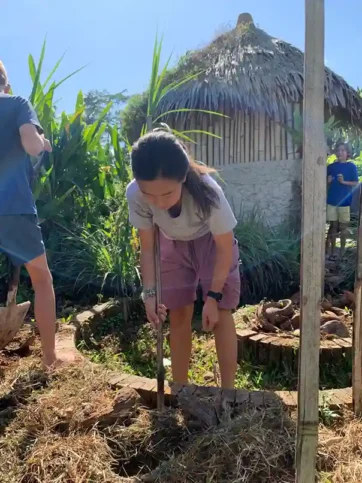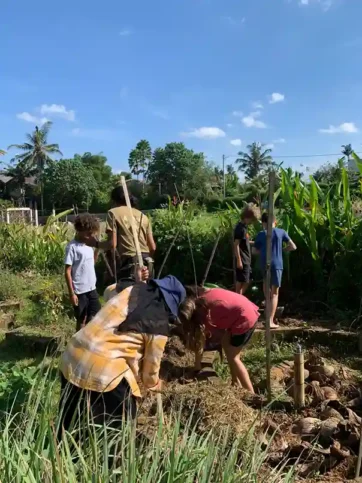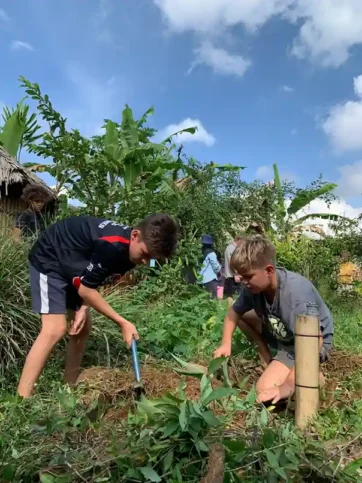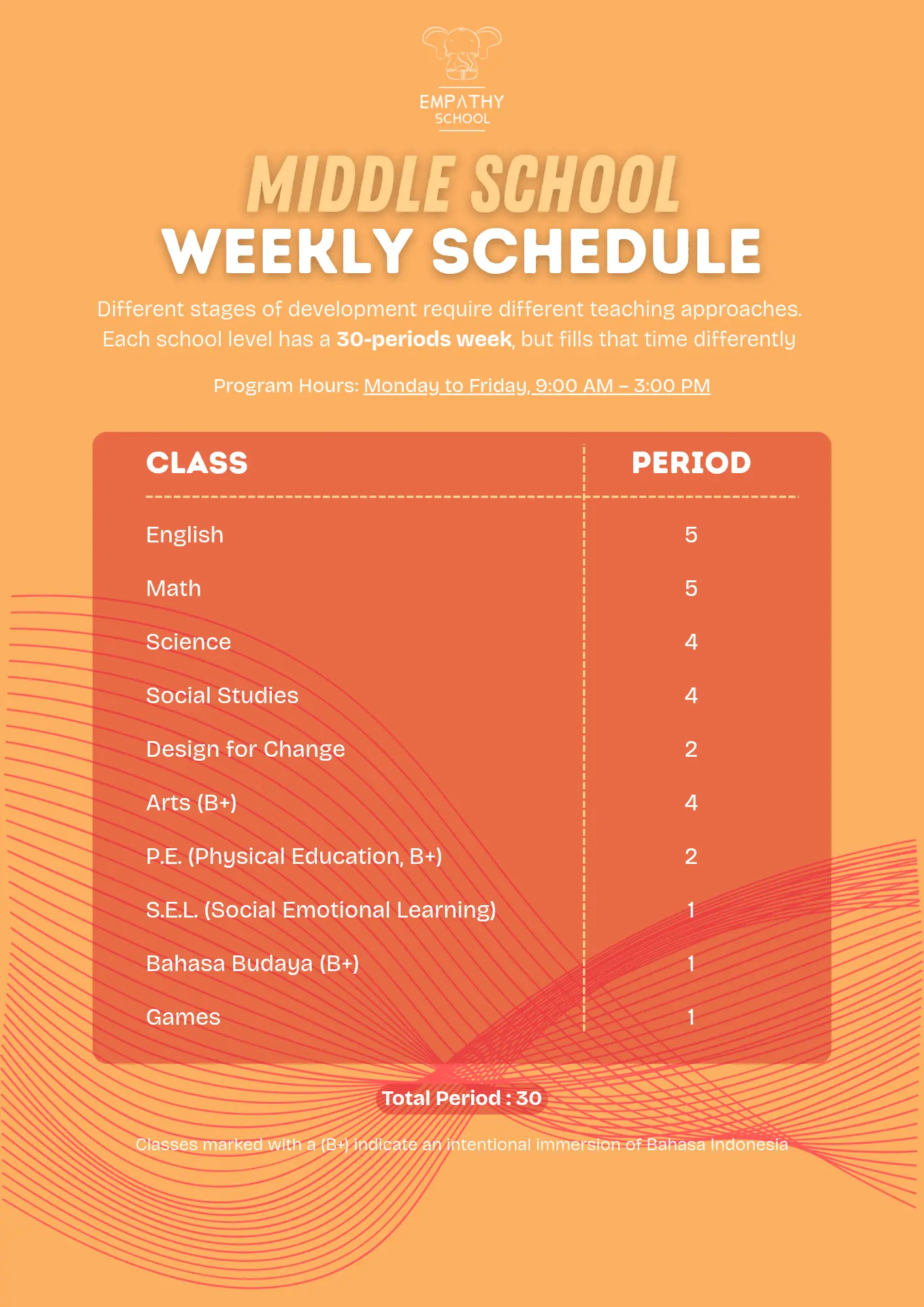
At Empathy, the Middle School program enhances students’ thirst for knowledge, boosts their emotional intelligence, and inspires them to take action for a better world. The learning approach becomes more exploratory, hands-on, and crosses subject boundaries.
Middle School builds upon the EQ Smart Curriculum, developed by a Harvard graduate and grounded in evidence-based social-emotional learning, blending:
Empathy School believes that adolescents thrive when they are invited to:
| Subject Area | Grade 6 Focus | Grade 7 Focus | Grade 8 Focus |
|---|---|---|---|
| English | Narrative writing, storytelling with values | Analytical reading, persuasive essays | Research-based argument, TED-style presentations |
| Math | Pre-Algebra, data interpretation | Algebra readiness, geometry applications | Algebra I, mathematical modelling for social/environmental issues |
| Science | Ecology, food webs, water cycles | Climate systems, human body, simple chemistry | Environmental systems, sustainability science, experimentation |
| Social Studies | Local history, cultural understanding | Ancient to modern civilizations, global perspectives | Human rights, civic action, economic systems |
| Design for Change | Identifying problems in daily life, basic design thinking | Community-based research, prototyping solutions | Full-cycle impact projects: ideation → action → reflection |
| SEL | Identity, emotional vocabulary, mindfulness | Conflict resolution, values exploration | Ethical decision-making, self-direction, navigating transitions |
| Sustainability | Composting, water conservation, garden management | Ecosystem analysis, renewable energy projects | Climate impact audits, biodiversity restoration initiatives |
Each year includes a high-impact, interdisciplinary project connecting English, Math, Science, SEL, and Design for Change:
Empathy School values progress over perfection. We assess students through:
Building blocks to the next stages of life commences in Middle School, revolving around supporting the learner’s self-initiated inquiry, strengthening digital fluency, physical health, and nurturing academically.
| Subject Area Sample | Thematic Connection |
|---|---|
| English | Writing climate op-eds or speeches on ethical innovation |
| Math | Modeling population growth, carbon emissions, and equity |
| Science | Designing ecosystems, testing water quality, modeling weather systems |
| Social Studies | Comparing forms of government and their environmental policies |
| SEL | Reflecting on ethical dilemmas, managing group conflict |
| Design for Change | Identifying local issues, interviewing stakeholders, prototyping solutions |
Each subject connects not only to standards—but to the student’s place in the world.